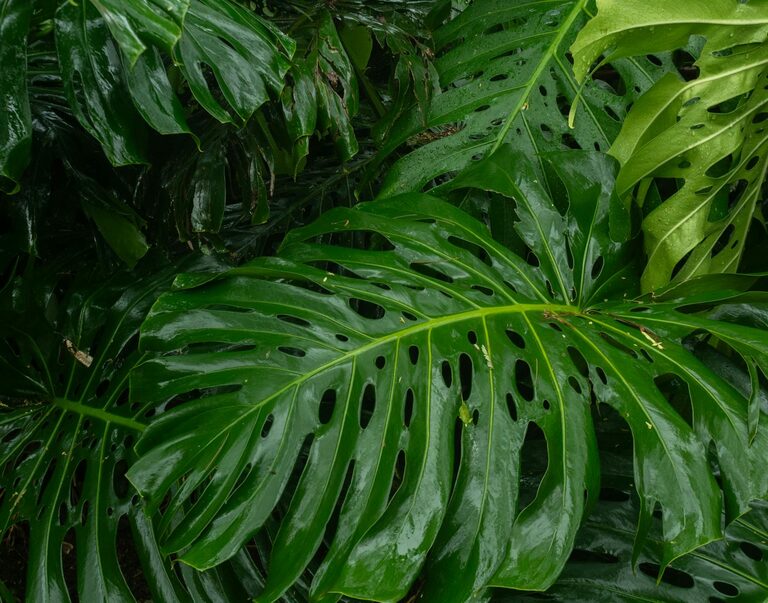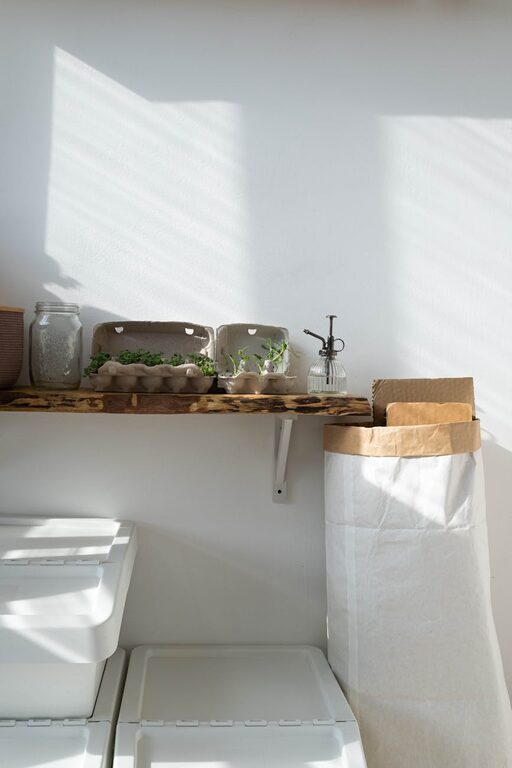
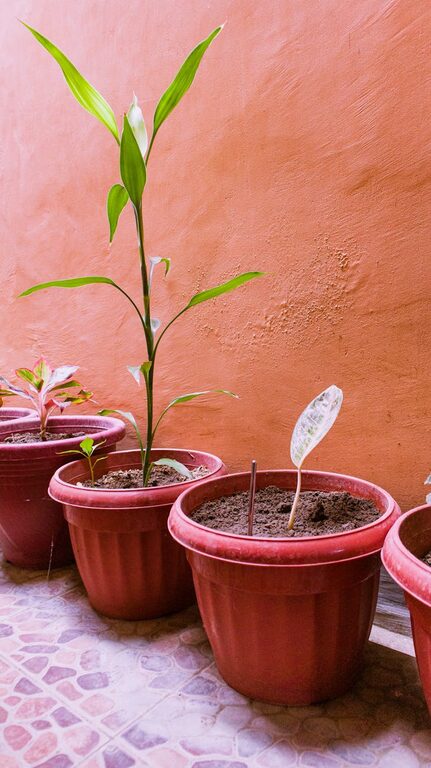
Creating a beautiful and sustainable home garden is a rewarding way to connect with nature, enhance your outdoor space, and support the environment. Whether you have a small balcony or a spacious backyard, thoughtful planning and care can transform your garden into a thriving green haven. In this post, we’ll share useful tips to help you build a garden that’s both attractive and kind to the planet.
Why Choose a Sustainable Garden?
Sustainability in gardening means using resources wisely, minimising waste, and encouraging biodiversity. This approach reduces your environmental impact and often results in a healthier and more resilient garden. Plus, sustainable gardens can save you money and time by cutting down on water usage, chemical inputs, and garden maintenance.
Plan Your Garden Thoughtfully
Assess Your Space and Conditions
Begin by understanding your garden’s conditions: sunlight exposure, soil type, and available space. Observe which areas receive sun and shade during the day, and take note of any drainage issues or wind exposure. This knowledge will guide your plant selection and garden design.
Choose Native and Drought-Resistant Plants
Native plants are adapted to your local climate and usually require less water and care. They also support local wildlife such as bees, butterflies, and birds. Drought-resistant plants are another excellent choice, especially if you live in a dry region or want to conserve water.
Improve Your Soil Naturally
Use Organic Matter
Healthy soil is the foundation of a thriving garden. Incorporate compost, well-rotted manure, or leaf mulch to enrich your soil with nutrients and improve its structure. Organic matter retains moisture and encourages beneficial soil organisms.
Avoid Synthetic Chemicals
Minimise the use of chemical fertilisers and pesticides. Instead, opt for natural solutions like insecticidal soap, neem oil, or companion planting to manage pests. Healthy soil and plants are less prone to disease and pest problems.
Conserve Water Efficiently
Collect Rainwater
Install a rainwater barrel or a rain garden to capture and store rainwater. This reduces your reliance on mains water and helps with water management during heavy rainfall.
Mulch to Retain Moisture
Apply a layer of mulch around plants to keep the soil cool and moist, suppress weeds, and add organic material as it breaks down. Common mulches include bark chips, straw, or shredded leaves.
Water at the Right Time
Water your garden early in the morning or late in the evening to reduce evaporation. Use drip irrigation or soaker hoses for targeted watering that wastes less water than sprinklers.
Foster Biodiversity
Create Habitats for Wildlife
Incorporate features like bird feeders, bee hotels, or small ponds to encourage beneficial wildlife in your garden. Diverse insects and animals help with pollination and natural pest control.
Plant a Variety of Species
Avoid monocultures by planting a mix of flowers, shrubs, and trees. Diversity promotes a balanced ecosystem and enhances your garden’s visual interest throughout the year.
Reuse and Recycle in Your Garden
Repurpose Materials
Use reclaimed wood, old containers, or pallets for garden beds and decorations. This reduces waste and adds a unique character to your garden.
Compost Your Kitchen and Garden Waste
Start a compost bin to recycle vegetable scraps, grass clippings, and leaves. Compost enriches your soil naturally and reduces landfill waste.
Design with Sustainability in Mind
Opt for Perennials Over Annuals
Perennial plants return year after year, reducing the need for replanting and lowering your garden’s long-term resource use.
Create Outdoor Living Spaces
Design seating areas, paths, and shade spots using natural or recycled materials. Comfortable outdoor spaces encourage spending time in nature and appreciating your garden.
Maintenance Tips for a Sustainable Garden
– Regularly prune and deadhead plants to promote healthy growth.
– Monitor garden health to catch problems early and reduce chemical use.
– Rotate crops if you grow vegetables to prevent soil depletion and disease.
Final Thoughts
Building a beautiful and sustainable home garden takes time and patience, but the rewards are well worth the effort. By choosing suitable plants, conserving water, supporting wildlife, and practising eco-friendly habits, your garden can be a lasting source of enjoyment and environmental benefit. Start small, learn from experience, and watch your garden flourish season after season. Happy gardening!
About the Author