
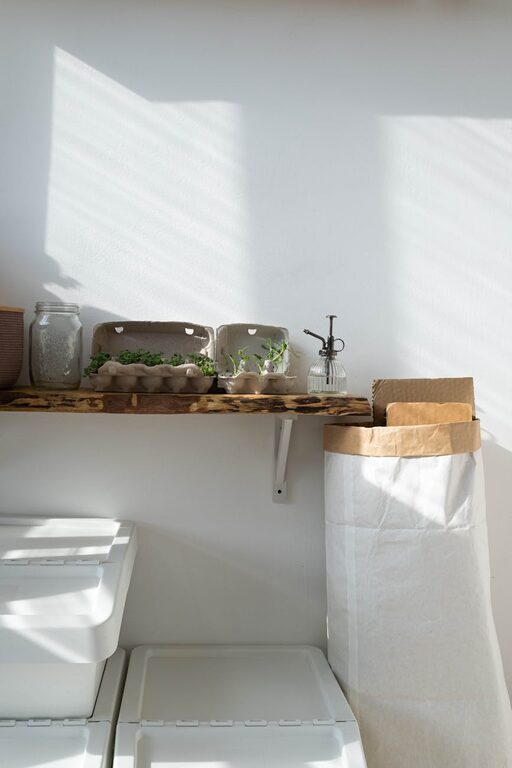
Creating a sustainable garden in a small urban space can feel challenging, but with the right approach, it is both achievable and rewarding. Urban gardens not only provide fresh produce and beautiful greenery but also contribute positively to the environment by promoting biodiversity, reducing carbon footprint, and reusing resources. Whether you have a balcony, a tiny patio, or just a windowsill, these tips will help you establish a thriving sustainable garden tailored to your urban lifestyle.
Understanding Sustainability in Urban Gardening
Sustainability in gardening means making choices that conserve resources, protect the environment, and maintain healthy ecosystems. In a small urban space, this translates to maximising usage while minimising waste and energy consumption. It’s about gardening smart, using natural processes, and selecting plants and materials that support long-term growth and health.
Choosing the Right Location and Containers
Utilise Every Inch of Space
Small urban gardens require thoughtful space planning:
– Vertical Gardening: Use wall-mounted planters, trellises, or hanging baskets to grow plants upwards instead of outwards.
– Window Boxes: Perfect for herbs or small flowers, window boxes add greenery without taking floor space.
– Multi-Tiered Stands: Stack pots on plant stands to increase the number of plants you can grow.
Select Sustainable Containers
Opt for containers made from recycled or natural materials such as terracotta, wood, or reclaimed metal. Avoid single-use plastics to reduce environmental impact. Make sure containers have proper drainage to prevent waterlogging and root diseases.
Soil and Composting
Use Quality, Local Soil
If possible, source organic and local soil to minimise transportation emissions and ensure nutrient-rich planting medium. Avoid chemically treated soils which can harm soil life and the environment.
Compost Kitchen Waste
Start a small compost bin or wormery to recycle vegetable scraps, coffee grounds, and eggshells into nourishing compost. This reduces waste sent to landfill and provides valuable nutrients for your garden.
Plant Selection for Sustainability
Choose Native and Drought-Resistant Plants
Native plants are well adapted to your local climate and require less water and care. Drought-resistant varieties also help reduce water usage.
Grow Edible Plants
Plant herbs, salad greens, tomatoes, or small fruiting plants. Growing your own food reduces the carbon footprint of store-bought produce and adds fresh ingredients to your meals.
Companion Planting
Use companion planting techniques to naturally repel pests and improve plant health without harmful chemicals. For example, planting marigolds with tomatoes can deter garden pests.
Water Conservation Techniques
Collect Rainwater
Set up a simple rainwater harvesting system using barrels or buckets to collect water from gutters. This reduces dependence on tap water.
Use Mulch
Cover soil with organic mulch like bark chips, straw, or leaves to retain soil moisture, regulate temperature, and suppress weeds.
Water Wisely
Water plants early in the morning or late in the evening to prevent evaporation and use watering cans or drip irrigation to target roots efficiently.
Encouraging Biodiversity
Even small urban gardens can support wildlife:
– Plant a variety of flowers to attract pollinating insects such as bees and butterflies.
– Include a small water feature like a shallow birdbath.
– Avoid pesticides and chemical fertilisers to keep beneficial insects healthy.
Sustainable Garden Maintenance
Reduce Waste
Reuse garden materials where possible. For example, repurpose old pots, wooden pallets, or jars.
Avoid Chemical Inputs
Use natural pest control methods and organic fertilisers like compost or seaweed extract.
Regular Care and Observation
Spend a little time each day observing plant health and addressing issues early. Healthy plants require fewer external inputs.
Benefits of a Sustainable Urban Garden
Creating a sustainable garden in your small urban space not only helps the environment but improves your home’s atmosphere and your well-being. It contributes to cleaner air, brings nature closer, and even encourages mindful gardening that connects you to natural cycles.
—
By following these practical tips, anyone can transform even the smallest urban space into a green, sustainable oasis. Remember, sustainable gardening is a journey of learning and adapting — start small and enjoy the process!
About the Author