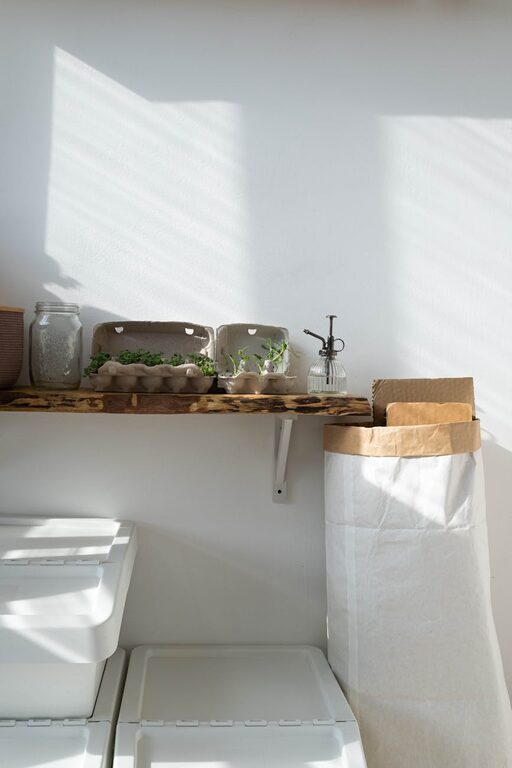
Creating a sustainable and eco-friendly home garden is a rewarding way to connect with nature, reduce your environmental impact, and even enjoy fresh, home-grown produce. Whether you have a small balcony, a modest backyard, or a community plot, there are many ways to garden with sustainability in mind. This guide offers practical tips to help you build a thriving garden that benefits both you and the planet.
Understanding Sustainable Gardening
Sustainable gardening involves practices that conserve resources, support local ecosystems, and minimise waste. It focuses on working with natural processes rather than against them, promoting soil health, reducing chemical use, and encouraging biodiversity.
By adopting sustainable methods, your garden becomes a small haven for wildlife, a cleaner environment, and a source of healthy food or beautiful plants.
Plan Your Garden Thoughtfully
Choose Native and Adapted Plants
Native plants are species that naturally grow in your area. They are well-adapted to local weather and soil conditions, needing less water, fertiliser, and care. Including native flowers, shrubs, and trees supports local wildlife such as bees, butterflies, and birds.
If native plants are not available or if you want a variety, select species that thrive in your climate. This reduces maintenance and water use.
Design for Efficiency
Plan plant placement according to their sunlight and water needs. Group plants with similar requirements together to avoid wasting water or nutrients. Incorporate companion planting—some plants grow better when near certain others, which can improve pest resistance and soil health.
Save Water Wisely
Collect Rainwater
Install rain barrels or water butts to catch rainwater from your roof. This free, chemical-free water is perfect for watering your garden and reduces reliance on mains water.
Use Mulch
Applying a layer of mulch—such as straw, leaves, or wood chips—around plants helps retain moisture, keeps soil temperatures stable, and suppresses weeds. Natural mulches break down over time, enriching the soil.
Water Smartly
Water your garden early in the morning or late in the evening to reduce evaporation. Use watering cans or drip irrigation systems rather than hoses with sprinklers to target water directly to plant roots.
Build Healthy Soil Naturally
Compost Organic Waste
Composting kitchen scraps and garden waste creates nutrient-rich compost that you can use to feed plants. Compost improves soil structure, helps retain moisture, and encourages beneficial microorganisms.
Avoid Chemical Fertilisers and Pesticides
Using chemical products can harm beneficial insects, soil organisms, and water quality. Instead, try natural pest control methods, such as handpicking pests, introducing helpful insects like ladybirds, or using homemade sprays like garlic or neem oil.
Feed your plants with organic fertilisers, such as well-rotted manure, seaweed, or compost tea.
Promote Biodiversity and Wildlife
Create Habitats
Plant a mix of flowering plants to provide nectar and pollen throughout the seasons. Include shrubs and trees that offer shelter and food for birds and insects.
Leave some areas wild or uncut to create refuges for creatures such as hedgehogs and frogs. Consider adding a small pond or water source for amphibians and insects.
Avoid Lawn Overuse
Lawns require frequent mowing, watering, and chemicals to keep them perfect. Instead, reduce lawn areas, or allow parts to grow wildflowers for pollinators.
Practice Sustainable Garden Maintenance
Reduce Waste
Reuse materials wherever possible. Salvage old pots, pallets, or containers for planting. Repair garden tools instead of replacing them.
Recycle green waste and avoid using plastic packaging wherever you can.
Use Renewable Resources
Consider using renewable or sustainably sourced products for garden furniture, fencing, or pathways. Bamboo, reclaimed wood, and natural stone are good options.
Gardening with Purpose and Joy
Remember that sustainable gardening is a journey, not a quick fix. Celebrate small victories, whether it’s spotting a new pollinator visiting your flowers, harvesting your first crop without chemicals, or simply enjoying your green space. Each eco-friendly choice contributes to a healthier environment and a more enjoyable garden.
Summary Checklist for a Sustainable Garden
– Choose native or climate-adapted plants
– Group plants with similar water and light needs
– Collect and use rainwater
– Mulch to preserve moisture and suppress weeds
– Compost kitchen and garden waste
– Avoid chemical fertilisers and pesticides
– Encourage wildlife with varied plants and habitats
– Reduce lawn areas for wildflowers and biodiversity
– Reuse, recycle, and choose sustainable materials
– Water plants early or late to minimise evaporation
With these tips, you can create a sustainable home garden that is good for you, good for wildlife, and good for the planet. Happy gardening!
About the Author