Working from home has become a common part of many people’s lives, making the design of a comfortable and efficient workspace more important than ever. A well-crafted home workspace can enhance productivity while also ensuring you feel relaxed and motivated throughout the day. Here are some practical tips to help you create a home office environment that balances focus and comfort.
Choose the Right Location
Finding the perfect spot for your workspace is the first step. Ideally, select a quiet area away from heavy foot traffic, noise, and distractions. If possible, use a separate room dedicated solely to work. This helps your brain associate the space with productivity.
If space is limited, consider setting up in a corner or against a wall where you can minimise interruptions. Natural light is a huge plus for both mood and energy levels, so try to position your desk near a window.
Invest in Comfortable Furniture
Comfort is key to staying productive and avoiding strain. Here are some furniture essentials:
– Ergonomic Chair: A chair with good lumbar support can prevent back pain and encourage proper posture. Adjustable height and armrests add versatility.
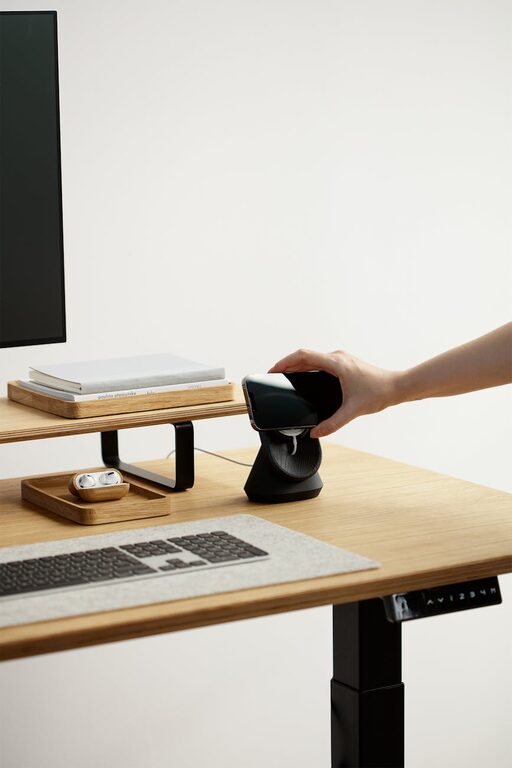
– Suitable Desk: Choose a desk at the right height to keep your wrists and arms comfortable. If possible, consider a sit-stand desk to alternate between sitting and standing.
– Footrest: If your feet don’t comfortably reach the floor, a footrest can improve posture and circulation.
Keep It Organised and Clutter-Free
Clutter can be distracting and stressful. Maintaining an organised workspace helps clear your mind and focus better. Tips for keeping organised include:
– Use desk organisers or trays to keep stationery and small items tidy.
– Invest in shelves and storage boxes for documents, books, and supplies.
– Adopt a filing system for paperwork—whether physical or digital—to avoid piles.
– Make it a habit to clear your desk at the end of each day.
Optimise Lighting
Good lighting reduces eye strain and sets the right tone for work. While natural light is ideal, it might not be enough or consistent, especially during darker months.
– Position your desk to make the most of daylight without glare on your screen.
– Use adjustable desk lamps with soft, warm bulbs for focused task lighting.
– Consider ambient lighting to create a comfortable atmosphere when you work late.
Personalise Your Space
Adding personal touches can make your workspace feel inviting and inspire creativity. It’s important that your environment feels like a place you want to spend time in.
– Display favourite photos, artwork, or motivational quotes.
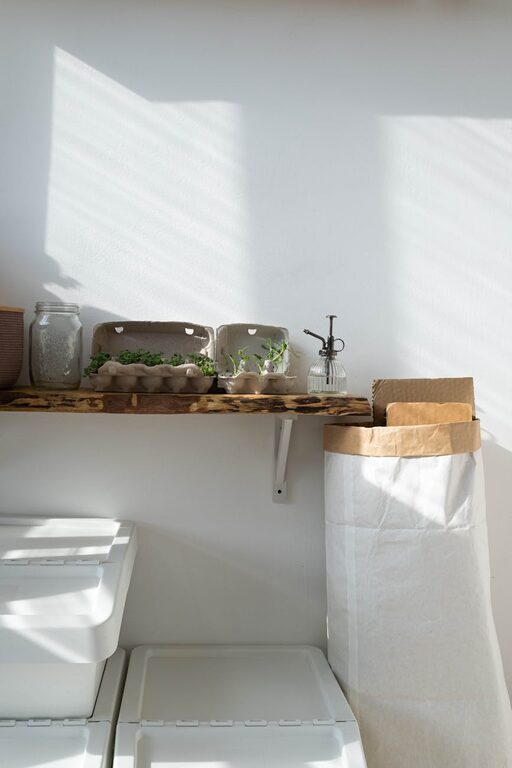
– Bring in plants to improve air quality and add a calming natural element.
– Choose colours and accessories that make you feel positive and energised.
Manage Noise Levels
Noise can be a major distraction. To help control the sound environment:
– Use noise-cancelling headphones if you’re in a noisy household or area.
– Play soft background music or white noise to improve concentration.
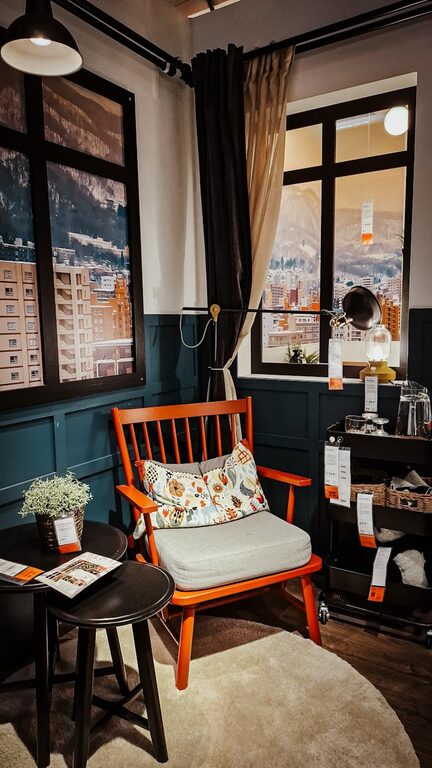
– Add soft furnishings like rugs, curtains, or cushions to absorb sound.
Set Clear Boundaries
When working from home, it is crucial to maintain boundaries between work and personal life.
– Establish regular working hours and stick to them.
– Inform family or housemates about your schedule to minimise interruptions.
– Use physical cues, such as closing the office door or using a ‘do not disturb’ sign.
Keep Technology and Essentials Handy
Ensure your technology and work essentials are reliable and easily accessible.
– Invest in a good-quality internet connection and peripherals like a keyboard and mouse.
– Keep chargers, notebooks, pens, and other essentials within arm’s reach.
– Use cable organisers to prevent tangles and maintain a tidy desk.
Take Regular Breaks
No workspace is complete without encouraging habits that support wellbeing.
– Follow the 20-20-20 rule: every 20 minutes, look at something 20 feet away for 20 seconds to reduce eye strain.
– Stand and stretch periodically to enhance circulation.
– Step away from your desk for short walks or fresh air to recharge.
Create a Morning Routine to Transition into Work Mode
Starting your day with a consistent routine can mentally prepare you for productive work.
– Set a fixed time to begin work each day.
– Consider light exercise or meditation to ease stress before you start.
– Prioritise tasks or write a to-do list for clarity.
Final Thoughts
Designing a relaxing yet productive home workspace is about balancing comfort and functionality. By carefully selecting your location, investing in ergonomic furniture, maintaining organisation, and creating a positive atmosphere, you will cultivate a productive environment that supports both work efficiency and personal wellbeing.
Taking small steps to personalise and manage your space can make a big difference in your overall work-from-home experience. Remember, the goal is to create a place where you look forward to working every day.
About the Author