Creating a home workspace that is both calming and productive can greatly enhance your work-from-home experience. With many of us spending more time at home, having a dedicated area that supports focus and reduces stress is essential. This guide shares simple ideas to help you design a space that encourages efficiency while offering a soothing environment.
Why a Calming and Productive Workspace Matters
When your workspace is well-organised and peaceful, you’re more likely to concentrate and get your work done efficiently. Conversely, a cluttered or noisy environment can increase stress and decrease motivation. By blending calmness with productivity, your home office can become a place where work feels less like a chore and more like a focused activity.
Choose the Right Location
Pick a Quiet Spot
Find a space away from household distractions like the television or high-traffic areas. A quieter spot helps maintain focus and limits interruptions.
Consider Natural Light
Natural light boosts mood and energy levels. If possible, position your desk near a window to take advantage of daylight, but be mindful of glare on your screen.
Use a Dedicated Area
Having a separate area for work helps your brain associate that spot with productivity. Even a small corner with a desk can mark a clear boundary between work and leisure.
Organise and Declutter Regularly
Keep Essentials Handy
Store only what you need daily within arm’s reach. Magazines, files, or devices that aren’t used regularly can distract or clutter your space.
Use Storage Solutions
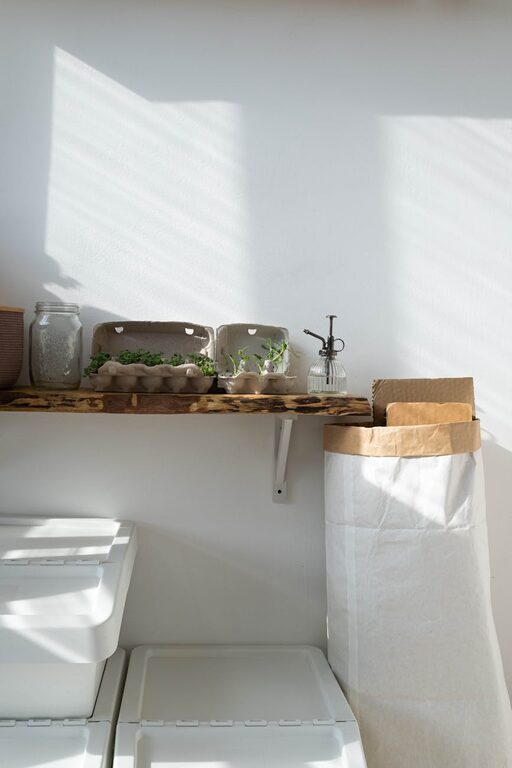
Drawers, shelves, and organisers help keep paperwork and supplies tidy. Label containers for easy access and maintain a clutter-free desk.
Clear Your Desk at Day’s End
Spend a few minutes tidying your workspace at the end of each day. This habit helps create a fresh start in the morning.
Choose Comfortable and Functional Furniture
Invest in an Ergonomic Chair
Proper support reduces strain and helps maintain good posture during long hours. Look for adjustable chairs with lumbar support.
Set Desk Height Correctly
Your desk should allow your arms to rest comfortably at a 90-degree angle, reducing strain on your wrists and shoulders.
Consider a Standing Option
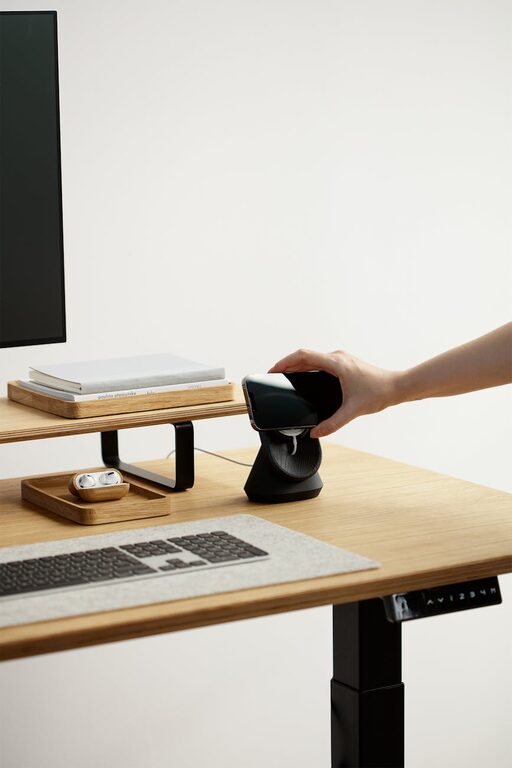
A sit-stand desk or laptop stand can offer variety, helping to reduce fatigue and increase focus.
Personalise Your Space Without Overcrowding
Add Calming Elements
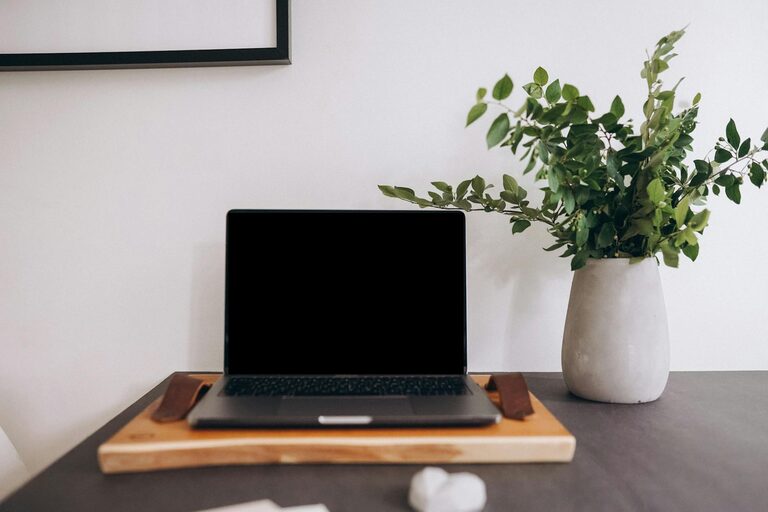
Plants, soft lighting, or artwork can create a relaxing atmosphere. Greenery not only adds colour but also improves air quality.
Use Colours Wisely
Soft, neutral colours tend to promote calmness. Avoid overly bright or distracting hues that might overwhelm you.
Incorporate Meaningful Items
A favourite photo or a motivational quote can boost your mood, but keep these minimal to prevent distractions.
Control Noise and Distractions
Use Noise-Cancelling Headphones
These can help block out background noise and keep you focused during important tasks.
Play Soft Background Music
Instrumental or nature sounds can create a soothing backdrop that enhances concentration.
Set Boundaries with Others
Communicate your work hours to household members to reduce interruptions and create respect for your workspace.
Improve Lighting for Comfort and Efficiency
Blend Natural and Artificial Light
Supplement daylight with adjustable desk lamps. Warm light can reduce eye strain, especially during evenings.
Avoid Screen Glare
Position your monitor to avoid reflections which can cause discomfort and headaches.
Adjust Brightness Regularly
Too bright or too dim lighting can fatigue your eyes. Adjust according to the time of day.
Incorporate Break Areas and Movement
Schedule Regular Breaks
Short pauses help refresh your mind and prevent burnout.
Create a Nearby Relaxation Spot
A comfy chair or cushion away from your desk encourages quick breaks without losing focus.
Include Movement in Your Routine
Simple stretches, a short walk, or standing stretches improve circulation and reduce stiffness.
Use Technology to Stay Organised and Focused
Employ Time-Management Apps
Tools like timers or task lists can keep you on track and help prioritise your work.
Minimise Digital Clutter
Close unnecessary tabs and notifications to reduce distractions.
Back Up Your Work
Regular backups keep your data safe and reduce stress over lost documents.
Final Thoughts
Designing a calming and productive home workspace does not need to be complicated or costly. Small changes like organising your desk, choosing comfortable furniture, controlling noise, and personalising your environment can make a big difference. By nurturing a space that supports both calm and focus, you improve not only your work but also your overall wellbeing.
Take time to experiment with these ideas to find what best suits your style and needs. With a thoughtfully arranged workspace, your home will become a place where work is enjoyable and efficient.
About the Author