Creating a home office that feels both relaxing and productive is essential for anyone who works from home. Balancing comfort with efficiency can help reduce stress, improve focus, and support overall wellbeing. Whether you are just setting up your workspace or looking to refresh an existing one, these tips will guide you toward creating an environment that works for you.
Choose the Right Location
The first step in creating a productive home office is choosing the right spot. Ideally, this should be a quiet area free from distractions.
– Natural Light: Select a room or corner with good natural light. Daylight helps improve mood and concentration.
– Away from Noise: Avoid places near busy streets or noisy common areas.
– Separate from Relaxation Areas: Try not to set up your office in the bedroom or living room to keep work and leisure time distinct.
Invest in Comfortable Furniture
Ergonomic and comfortable furniture is key to maintaining focus and avoiding physical discomfort.
– Ergonomic Chair: Choose a chair that supports your back and encourages good posture.
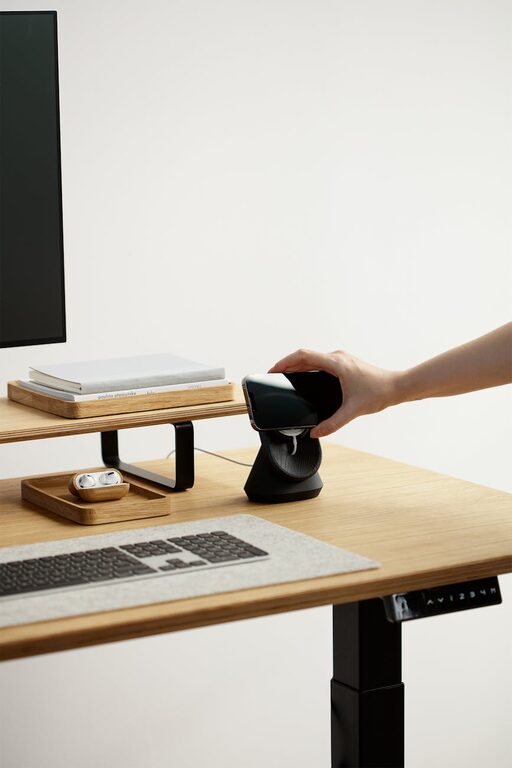
– Adjustable Desk: If possible, invest in a desk that can be adjusted for sitting or standing to vary your work position.
– Desk Space: Ensure you have enough room to organise your workflow without feeling cluttered.
Organise Your Desk Efficiently
A tidy desk helps keep your mind clear and focused.
– Declutter: Remove items you don’t need daily.
– Storage Solutions: Use shelves, drawers, or organisers to keep stationery and documents neatly stored.
– Minimal Technology: Only keep necessary tech devices on your desk to avoid distractions.
Incorporate Calming Elements
Adding relaxing touches can make your workspace feel inviting and reduce stress.
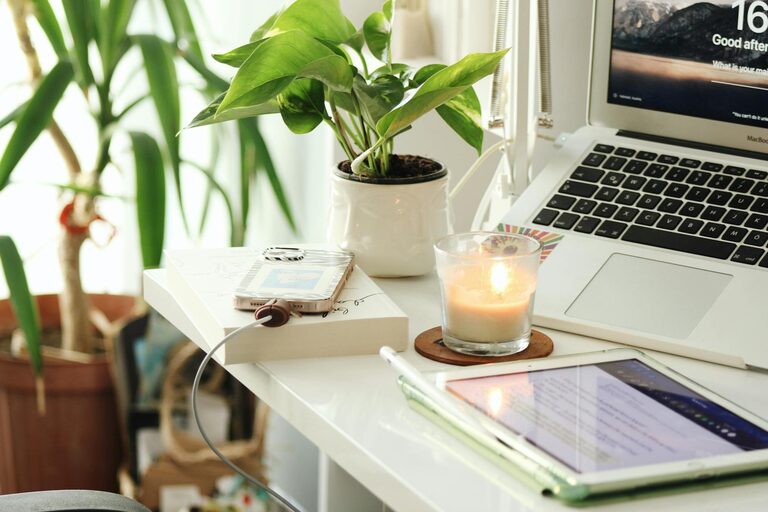
– Plants: Indoor plants improve air quality and add a touch of nature.
– Soft Lighting: Use desk lamps or floor lights to complement natural light and reduce eye strain.
– Personal Touches: Include artwork, photos, or items that make you feel positive without crowding the space.
Manage Noise and Distractions
Controlling noise and interruptions is vital to maintaining productivity.
– Noise-Cancelling Headphones: Useful if you cannot control external noise.
– White Noise or Soft Music: Background sounds like white noise or soft instrumental music can aid concentration.
– Set Boundaries: Communicate your working hours to family or housemates to minimise disruptions.
Maintain a Consistent Routine
Having a daily schedule helps create a productive mindset.
– Set Hours: Stick to regular work start and finish times.
– Breaks: Take short breaks to stretch and rest your eyes.
– Separate Work and Rest: Avoid working from your bed or sofa to keep your brain associated with productivity during work hours.
Optimise Technology and Connectivity
Reliable technology is essential for an effective home office.
– Internet Connection: Ensure a strong and stable internet connection.
– Efficient Devices: Use up-to-date computers and accessories to prevent delays.
– Cable Management: Keep cables organised to avoid mess and hazards.
Prioritise Wellbeing
Your physical and mental wellbeing affects your work quality.
– Good Ventilation: Keep windows open or use a fan to circulate fresh air.
– Hydration and Nutrition: Keep a water bottle nearby and have healthy snacks on hand.
– Exercise: Incorporate light exercise or stretches into your breaks.
Refresh and Adapt
Regularly review your workspace and routines to ensure they continue to meet your needs.
– Declutter Weekly: Spend a few minutes each week tidying your desk.
– Adjust Layout: Change the arrangement if you feel less productive or comfortable.
– Seek Feedback: If working with others, ask for input on improvements.
—
A well-designed home office not only supports productivity but also nurtures your relaxation and wellbeing. By paying attention to location, furniture, organisation, and personal comfort, you can create a workspace that helps you thrive in your work-from-home routine.
About the Author