Creating a home office that is both relaxing and productive can make a significant difference to your workday. Whether you’re working remotely full-time or just need a dedicated space for occasional tasks, a well-planned home office helps maintain focus, reduces stress, and encourages good working habits. Here are some useful tips to make your workspace both comfortable and efficient.
Choose the Right Location
Find a Quiet Spot
Select a space in your home that is quiet and free from regular distractions. If possible, use a room with a door to help separate your work life from your personal life. Quiet areas can help you stay focused and reduce interruptions.
Consider Natural Light
Placing your desk near a window allows you to benefit from natural daylight, which can improve mood and reduce eye strain. Good lighting creates a welcoming atmosphere and helps keep you alert throughout the day.
Invest in Ergonomic Furniture
Comfortable Chair
A supportive chair is crucial. Look for one with adjustable height, lumbar support, and comfortable cushioning to maintain good posture and avoid back pain.
Functional Desk
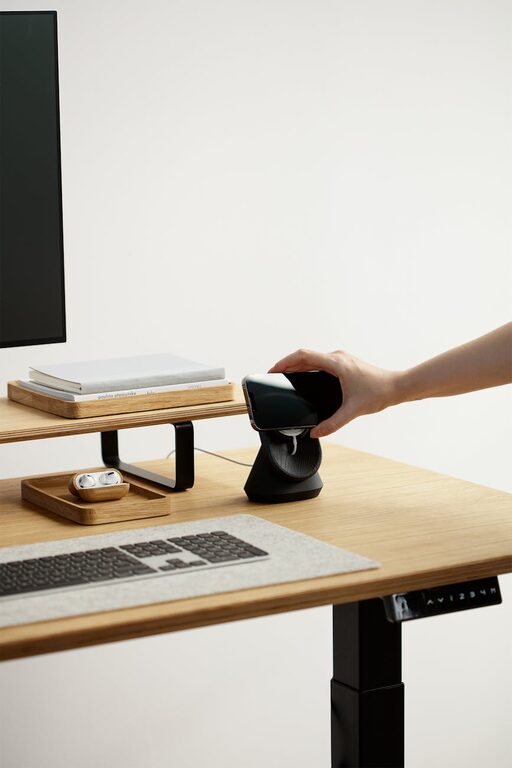
Choose a desk that suits your needs. It should have enough surface space for your computer, paperwork, and other essentials while encouraging organisation.
Accessories for Comfort
Consider an adjustable monitor stand, keyboard tray, or footrest to ensure your setup supports a healthy posture.
Keep It Organised
Declutter Regularly
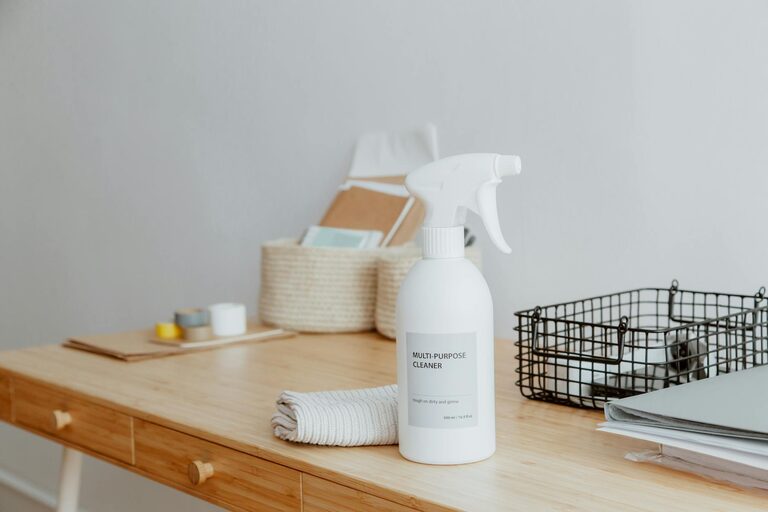
Maintain a tidy workspace by clearing away unnecessary items daily. Clutter can distract you and make it harder to find what you need.
Storage Solutions
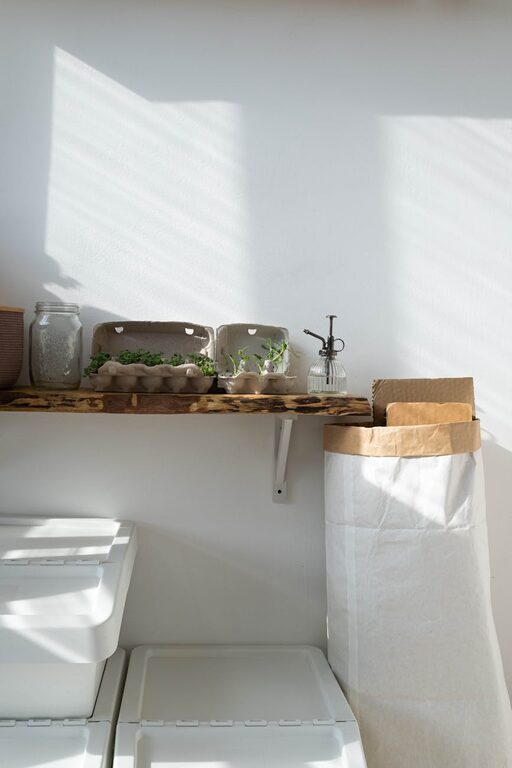
Use shelves, drawers, or organisers to keep tools, documents, and stationery neatly stored but easily accessible.
Digital Organisation
Keep your computer files and emails organised with folders and labels to streamline your workflow.
Create a Pleasant Atmosphere
Personal Touches
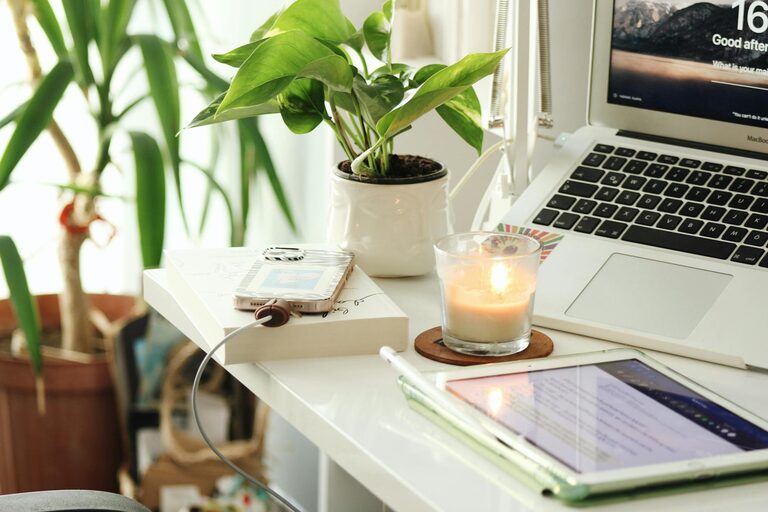
Add a few personal items like plants, photos, or artwork. These can make your space feel inviting and comfortable but avoid overcrowding.
Colour Scheme
Choose calming colours like soft blues, greens, or neutrals. These hues tend to reduce stress and create a peaceful environment.
Air Quality and Temperature
Good ventilation and a comfortable temperature are important for concentration. Open windows when possible or use fans and heaters to adjust the environment.
Minimise Distractions
Noise Control
Use noise-cancelling headphones or a white noise machine if your home is noisy. Reducing background noise helps you concentrate better.
Technology Boundaries
Turn off non-essential notifications on your devices during work hours to avoid interruptions.
Incorporate Break Areas
Space to Relax
If possible, set up a small area with a comfortable chair or cushion where you can take short breaks. Stepping away from your desk helps clear your mind and refresh your focus.
Stretch and Move
Include space for stretching or light exercise during breaks to reduce stiffness and improve circulation.
Establish a Routine
Regular Hours
Set consistent work hours to create a clear boundary between work and personal time. This helps maintain balance and productivity.
Start and End Rituals
Begin your day with a routine, such as making a cup of tea or reviewing your tasks, to transition smoothly into work mode. Similarly, have an end-of-day ritual to signal the close of work.
Utilise Technology Wisely
Reliable Equipment
Ensure your computer, internet, and other tools are reliable to avoid technical delays.
Productivity Apps
Use apps for time management, task tracking, and focus enhancement to keep your workday organised and productive.
—
By following these tips, you can create a home office environment that supports both relaxation and productivity. Remember, a space that feels comfortable and organised will naturally encourage you to focus, be efficient, and enjoy your work. Start small by making a few changes and adjust your setup as you discover what works best for you.
About the Author